An early try at programming-with-cartoons, in the spirit of _why’s Poignant Guide. Current work is at home.


import pandas as pd
import numpy as np

df1 = pd.DataFrame(np.random.randn(6, 4),
                   index=list(range(0, 12, 2)),
                   columns=list(range(0, 8, 2)))
df1
|
0 |
2 |
4 |
6 |
| 0 |
2.871237 |
-1.083014 |
-1.475604 |
-0.752170 |
| 2 |
-2.706205 |
0.329963 |
0.392216 |
-2.409230 |
| 4 |
-0.468933 |
-0.869137 |
-0.228810 |
0.244244 |
| 6 |
-0.594944 |
0.586175 |
0.777512 |
0.302765 |
| 8 |
1.919059 |
-0.033826 |
-0.517170 |
0.952174 |
| 10 |
0.516535 |
-0.311024 |
-0.237281 |
0.986209 |

df1[2] # column labelled 2, like a python dictionary
0    -1.083014
2     0.329963
4    -0.869137
6     0.586175
8    -0.033826
10   -0.311024
Name: 2, dtype: float64
df1.iloc[2] # row in second position of dataframe
0   -0.468933
2   -0.869137
4   -0.228810
6    0.244244
Name: 4, dtype: float64
df1.iloc[2,3] # third entry of the above row

df1.loc[2] # row labelled 2
0   -2.706205
2    0.329963
4    0.392216
6   -2.409230
Name: 2, dtype: float64
|
4 |
6 |
| 4 |
-0.228810 |
0.244244 |
| 6 |
0.777512 |
0.302765 |
|
2 |
4 |
| 2 |
0.329963 |
0.392216 |
| 4 |
-0.869137 |
-0.228810 |
 The function takes in the dataframe and returns something that .loc can index on
df1.loc[lambda df_parameter: df_parameter[2]>0]
|
0 |
2 |
4 |
6 |
| 2 |
-2.706205 |
0.329963 |
0.392216 |
-2.409230 |
| 6 |
-0.594944 |
0.586175 |
0.777512 |
0.302765 |
|
0 |
2 |
4 |
6 |
| 2 |
-2.706205 |
0.329963 |
0.392216 |
-2.409230 |
| 6 |
-0.594944 |
0.586175 |
0.777512 |
0.302765 |
df = pd.DataFrame(
    {"AAA": [4, 5, 6, 7], "BBB": [10, 20, 30, 40], "CCC": [100, 50, -30, -50]}
)
|
AAA |
BBB |
CCC |
| 0 |
4 |
10 |
100 |
| 1 |
5 |
20 |
50 |
| 2 |
6 |
30 |
-30 |
| 3 |
7 |
40 |
-50 |
0     True
1     True
2     True
3    False
Name: AAA, dtype: bool
|
AAA |
BBB |
CCC |
| 0 |
4 |
10 |
100 |
| 1 |
5 |
20 |
50 |
| 2 |
6 |
30 |
-30 |
df[(df.AAA <= 6) & (df.index.isin([0, 2, 4]))]
|
AAA |
BBB |
CCC |
| 0 |
4 |
10 |
100 |
| 2 |
6 |
30 |
-30 |
df = pd.DataFrame(
    {"AAA": [4, 5, 6, 7], "BBB": [10, 20, 30, 40], "CCC": [100, 50, -30, -50]},
    index=["foo", "bar", "boo", "kar"],
)
df
|
AAA |
BBB |
CCC |
| foo |
4 |
10 |
100 |
| bar |
5 |
20 |
50 |
| boo |
6 |
30 |
-30 |
| kar |
7 |
40 |
-50 |
|
AAA |
BBB |
CCC |
| bar |
5 |
20 |
50 |
| boo |
6 |
30 |
-30 |
| kar |
7 |
40 |
-50 |
df.loc["bar":"kar"] # Label
|
AAA |
BBB |
CCC |
| bar |
5 |
20 |
50 |
| boo |
6 |
30 |
-30 |
| kar |
7 |
40 |
-50 |
|
AAA |
BBB |
CCC |
| foo |
4 |
10 |
100 |
| bar |
5 |
20 |
50 |
| boo |
6 |
30 |
-30 |
datadict = {"AAA": [4, 5, 6, 7], "BBB": [10, 20, 30, 40], "CCC": [100, 50, -30, -50]}
datadict
{'AAA': [4, 5, 6, 7], 'BBB': [10, 20, 30, 40], 'CCC': [100, 50, -30, -50]}
df2 = pd.DataFrame(data=datadict, index=[1, 2, 3, 4])  # Note index starts at 1.
df2
|
AAA |
BBB |
CCC |
| 1 |
4 |
10 |
100 |
| 2 |
5 |
20 |
50 |
| 3 |
6 |
30 |
-30 |
| 4 |
7 |
40 |
-50 |
df2.iloc[1:3] # Position-oriented
|
AAA |
BBB |
CCC |
| 2 |
5 |
20 |
50 |
| 3 |
6 |
30 |
-30 |
df2.loc[1:3] # Label-oriented
|
AAA |
BBB |
CCC |
| 1 |
4 |
10 |
100 |
| 2 |
5 |
20 |
50 |
| 3 |
6 |
30 |
-30 |
|
AAA |
BBB |
CCC |
| 2 |
5 |
20 |
50 |
| 3 |
6 |
30 |
-30 |
df = pd.DataFrame(
    {"AAA": [1, 1, 1, 2, 2, 2, 3, 3], "BBB": [2, 1, 3, 4, 5, 1, 2, 3]}
)
df
|
AAA |
BBB |
| 0 |
1 |
2 |
| 1 |
1 |
1 |
| 2 |
1 |
3 |
| 3 |
2 |
4 |
| 4 |
2 |
5 |
| 5 |
2 |
1 |
| 6 |
3 |
2 |
| 7 |
3 |
3 |
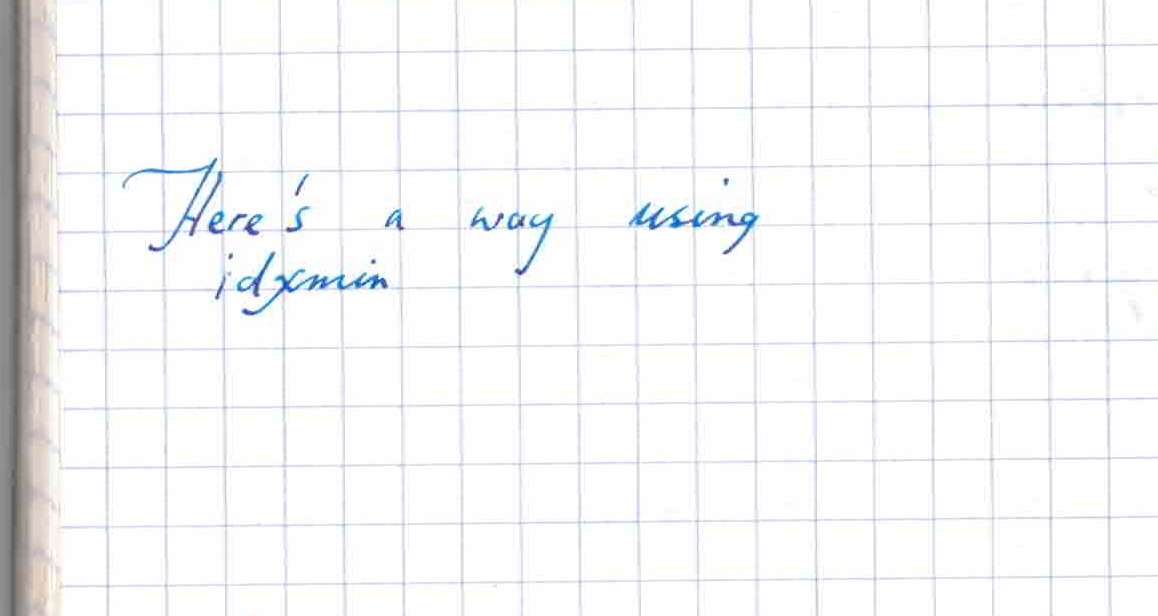
# Method 1 : idxmin() to get the index of the minimums
df.loc[df.groupby("AAA")["BBB"].idxmin()]
|
AAA |
BBB |
| 1 |
1 |
1 |
| 5 |
2 |
1 |
| 6 |
3 |
2 |

df.groupby("AAA").apply(lambda a: a[:]) # https://stackoverflow.com/a/62803666
|
|
AAA |
BBB |
| AAA |
|
|
|
| 1 |
0 |
1 |
2 |
| 1 |
1 |
1 |
| 2 |
1 |
3 |
| 2 |
3 |
2 |
4 |
| 4 |
2 |
5 |
| 5 |
2 |
1 |
| 3 |
6 |
3 |
2 |
| 7 |
3 |
3 |
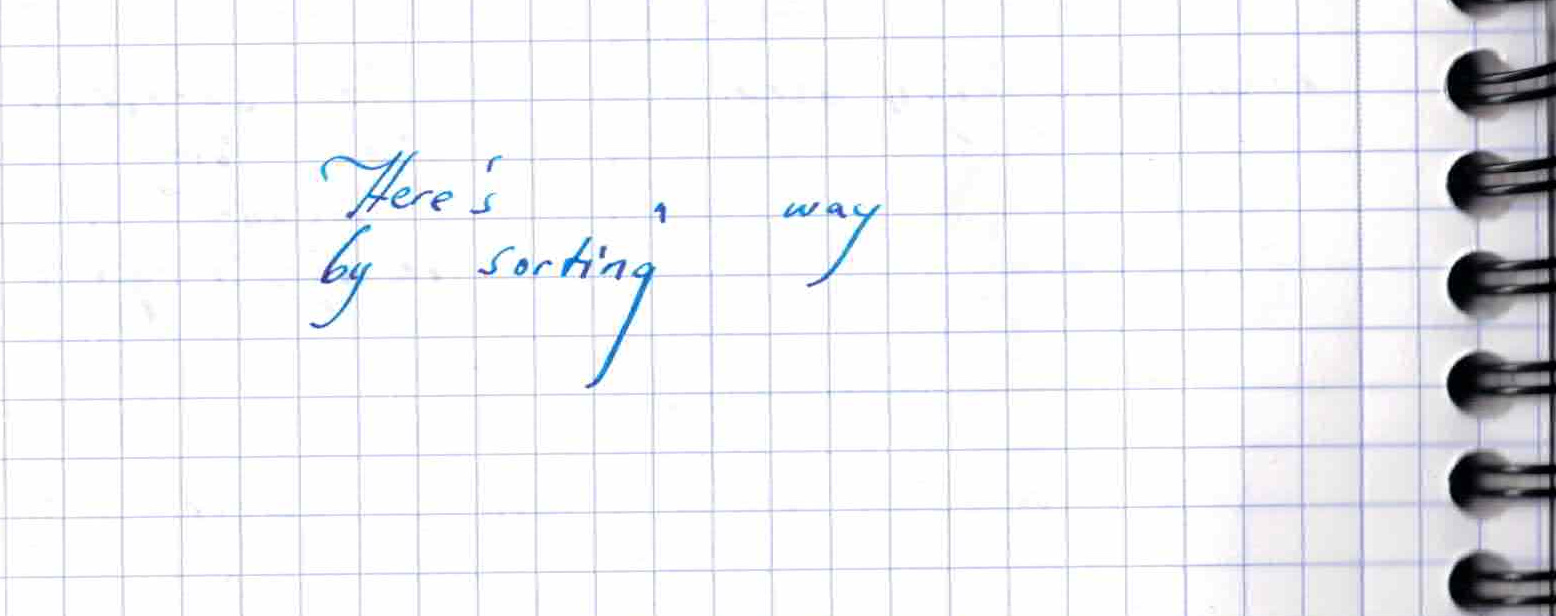
# Method 2 : sort then take first of each
df.sort_values(by="BBB").groupby("AAA", as_index=False).first()
|
AAA |
BBB |
| 0 |
1 |
1 |
| 1 |
2 |
1 |
| 2 |
3 |
2 |
|
AAA |
BBB |
| 1 |
1 |
1 |
| 5 |
2 |
1 |
| 0 |
1 |
2 |
| 6 |
3 |
2 |
| 2 |
1 |
3 |
| 7 |
3 |
3 |
| 3 |
2 |
4 |
| 4 |
2 |
5 |
df.sort_values(by="BBB").groupby("AAA",as_index=False).apply(lambda a: a[:])
|
|
AAA |
BBB |
| 0 |
1 |
1 |
1 |
| 0 |
1 |
2 |
| 2 |
1 |
3 |
| 1 |
5 |
2 |
1 |
| 3 |
2 |
4 |
| 4 |
2 |
5 |
| 2 |
6 |
3 |
2 |
| 7 |
3 |
3 |
df = pd.DataFrame(
    {"AAA": [4, 5, 6, 7], "BBB": [10, 20, 30, 40], "CCC": [100, 50, -30, -50]}
)
df
|
AAA |
BBB |
CCC |
| 0 |
4 |
10 |
100 |
| 1 |
5 |
20 |
50 |
| 2 |
6 |
30 |
-30 |
| 3 |
7 |
40 |
-50 |
df.loc[(df["BBB"] < 15) & (df["CCC"] >= -10)]
df.loc[(df["BBB"] < 15) | (df["CCC"] >= -10)]
|
AAA |
BBB |
CCC |
| 0 |
4 |
10 |
100 |
| 1 |
5 |
20 |
50 |
These examples are taken from the main Pandas website and cookbook:
Get the jupyter notebook here:
Pandas Indexing Notebook